The Evolution and Educational System of Sharia Colleges in Kerala
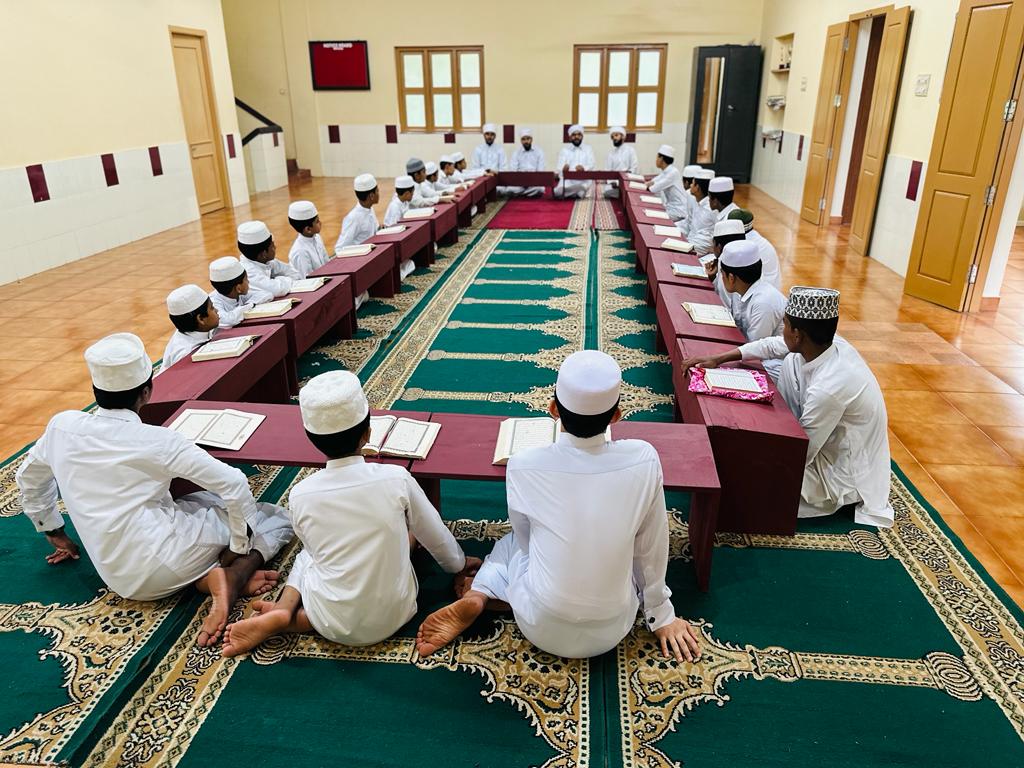
Kerala has a unique and remarkable tradition of Islamic education that has evolved over centuries
Introduction
Kerala has a unique and remarkable tradition of Islamic education that has evolved over centuries. From the traditional Othupalli and Dars systems of mosque-centered learning to the modern institutions of Sharia colleges and Islamic universities, the Muslim scholars of Kerala have continuously preserved the heritage of Islamic knowledge while adapting to the changing needs of society. The educational system followed by Sharia colleges in Kerala represents a harmonious blend of classical Islamic sciences, moral training, and contemporary academic awareness.
Historical Background
The early Muslim community of Kerala relied on Othupallis, where children learned Qur’an recitation, basic Islamic practices, and Arabic literacy. Higher learning was conducted through the Dars system attached to major mosques. Over many centuries, these Dars institutions produced eminent scholars who contributed to Islamic jurisprudence, theology, literature, and social leadership.
During the twentieth century, educational reformers such as Chalilakath Kunhahammad Haji introduced modern teaching methods, structured classrooms, examinations, and subjects like mathematics, geography, and history into the traditional curriculum. These reforms paved the way for the establishment of Arabic colleges and later Sharia colleges.
Emergence of Modern Sharia Colleges
The modern Sharia college movement in Kerala gained significant momentum after the mid-twentieth century. Institutions such as Ihyau Sunnah Arabic College, established in 1952, became pioneers in structured higher Islamic education. Later, various institutions introduced integrated systems combining traditional religious studies with modern disciplines, languages, and professional skills.
Several educational movements expanded this vision. Institutions like Darul Huda, Markaz, and the Coordination of Islamic Colleges introduced systems that aimed to produce scholars who are deeply rooted in Islamic tradition while remaining capable of engaging with contemporary social realities.
Curriculum and Educational Methodology
The curriculum of Sharia colleges generally covers the major branches of Islamic knowledge, including:
Tafsir (Qur’anic exegesis)
Hadith and its sciences
Fiqh and Usul al-Fiqh
Aqidah and Islamic theology
Arabic grammar, rhetoric, and literature
Tasawwuf and spiritual purification
Islamic history and civilization
Alongside these subjects, many institutions have incorporated English, computer studies, social sciences, comparative religion, and other modern disciplines. This integrated approach helps students develop a balanced understanding of both religious and worldly knowledge.
The teaching methodology emphasizes not only academic excellence but also character formation. Students live in an environment that nurtures discipline, humility, ethical conduct, and service to society. The relationship between teacher and student continues to reflect the classical Islamic tradition where knowledge is transmitted together with values and spiritual refinement.
Contemporary Relevance
In the modern world, the role of a religious scholar extends beyond leading prayers and teaching in mosques. Society requires scholars who can address contemporary challenges, engage in intellectual dialogue, and provide guidance on social, ethical, and technological developments.
Kerala’s Sharia colleges have responded to this need by creating educational models that combine the depth of classical scholarship with modern academic tools. Graduates today contribute as teachers, researchers, writers, social workers, counselors, and community leaders in India and abroad.
Conclusion
The educational system of Sharia colleges in Kerala represents a successful journey from traditional mosque-based learning to organized institutions of higher Islamic education. By preserving the legacy of the past while embracing beneficial modern developments, these institutions continue to produce generations of scholars dedicated to knowledge, faith, morality, and service to humanity.
Rate this article
Your feedback helps other students discover great reads.